
Preparation Guide · Blood Tests
Fasting Blood Test Preparation
Most routine blood tests need 8–10 hours of fasting — the classic rule is "no food after dinner, test in the morning". Here's the full guide for our Baddi, Nalagarh and Pinjore labs.
The Rules
What "fasting" actually means
- 8–10 hours without food — a light dinner the previous night is fine; no snacks, tea, coffee, milk or juice after that.
- Water is allowed — plain water doesn't affect fasting results; stay hydrated.
- Medicines — take your regular morning medicines with water unless your doctor says otherwise. Tell the technician what you take.
- If you are on insulin or sulfonylurea tablets for diabetes, ask your doctor how to handle the morning dose and carry something to eat with you.
- No fasting needed for some tests (CBC, thyroid, vitamins, HbA1c are usually fine non-fasting, but follow your doctor's instruction).
- Book 8–9 AM — sample taken early means breakfast by 10, and same-day reports.
- Do not fast longer than 14 hours — a very long fast changes sugar and ketone results.
Day before
Avoid heavy, oily food and alcohol the evening before; sleep well. Both affect sugar and lipid values.
At the lab
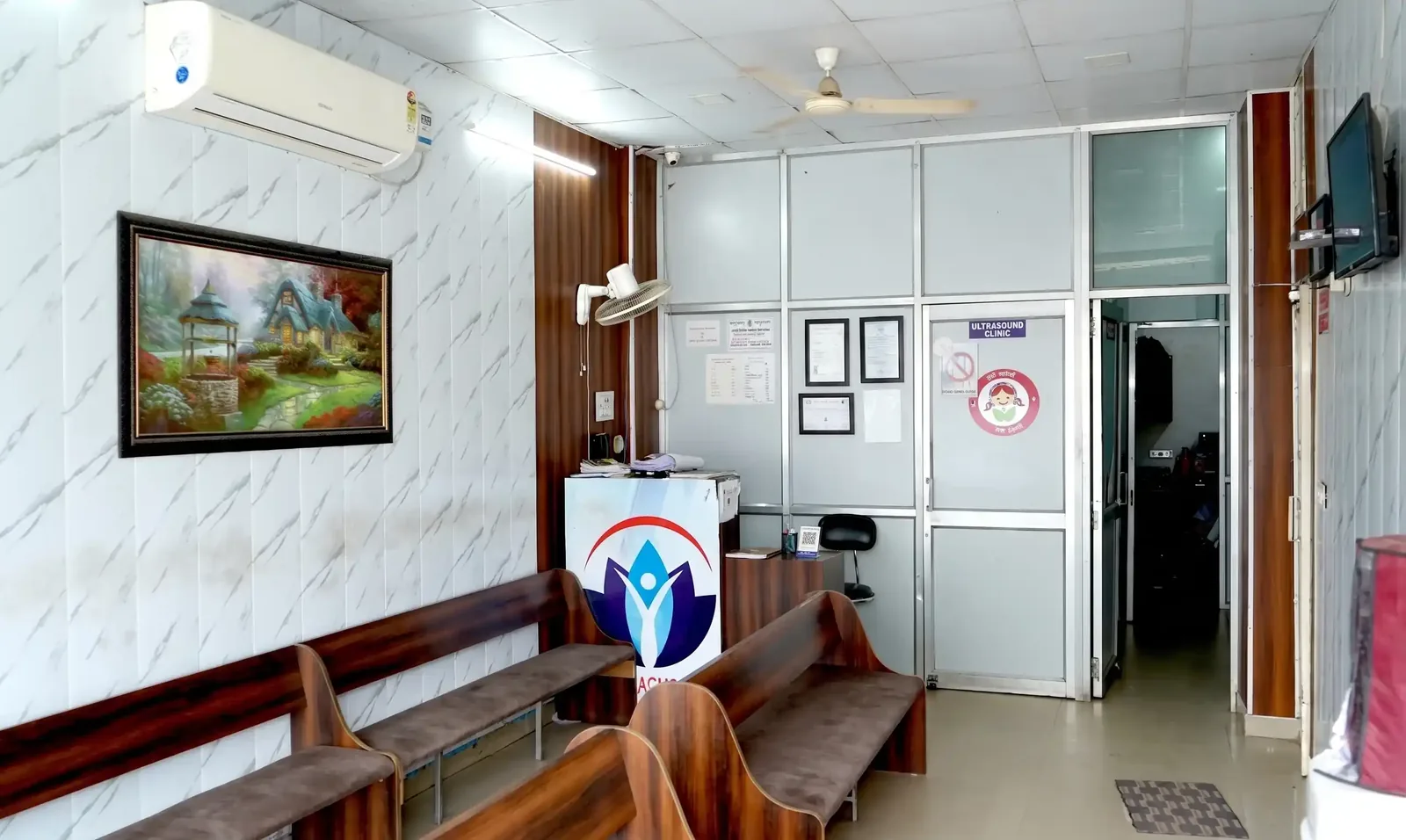
Wear a short-sleeve top. The sample is a small draw, takes seconds, and you can sit in our waiting area after.
Reports
Routine tests same day (often within hours). Special tests 24–48 hours. Digital copies on WhatsApp on request.
Frequently Asked Questions
Quick answers. If you have any other question, call or WhatsApp us — we reply fast.
How many hours should I fast before blood tests?
For fasting tests (sugar, lipid profile, etc.) fast for 8–10 hours — but not more than 14 hours, as a very long fast changes sugar and ketone results. Water is allowed. Most people do the test in the morning before breakfast.
Can I take my medicines before a blood test?
Take your regular morning medicines with water unless your doctor says otherwise. Tell the technician what you take — some medicines affect results. If you are on insulin or sulfonylurea tablets for diabetes, ask your doctor how to handle the morning dose and carry something to eat with you.
When are blood test reports ready?
Most routine tests are ready the same day (often within a few hours). Special tests like vitamin assays or hormones may take 24–48 hours.
Still unsure? Contact us or call +91 89504 54111.