
Anomaly Scans (TIFFA / Level-II)
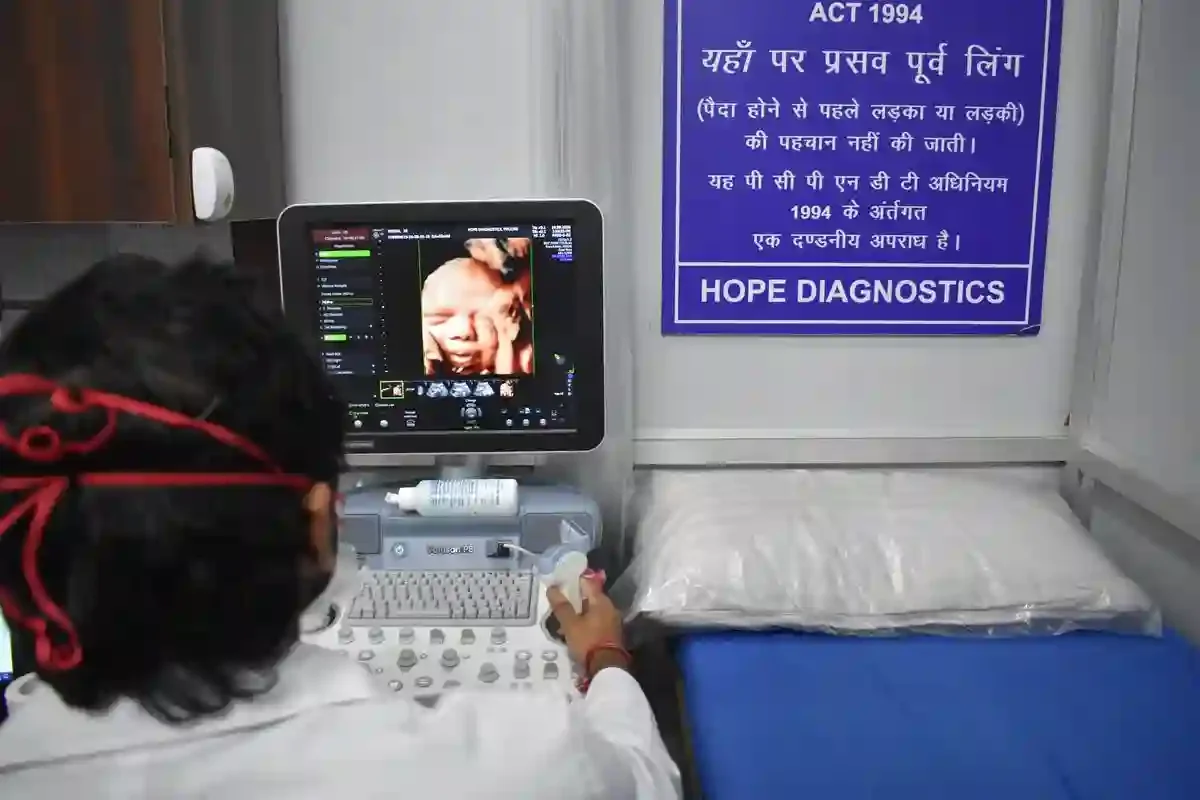
The detailed mid-pregnancy scan — best done at 18–20 weeks — that checks your baby's anatomy system by system, on GE machines — Voluson at Nalagarh and Pinjore, LOGIQ P9 at Baddi. 3D/4D fetal imaging is available at Nalagarh and Pinjore.
The detailed 18–20 week check of your baby's anatomy
Best done at 18–20 weeks (up to 22 weeks if you are referred late), so that there is time for any further tests your obstetrician may advise. Around then, the baby is big enough for a detailed look but small enough that everything is visible. The radiologist examines the head, brain, face, heart, spine, abdomen, kidneys, limbs and placenta — system by system.
This scan (also called TIFFA — Targeted Imaging for Fetal Anomalies, or level-II scan) detects most major structural anomalies and reassures parents when everything is normal — which is the outcome in the vast majority of scans.
What an anomaly scan cannot tell you: An anomaly scan cannot detect every abnormality. Some conditions are not visible on ultrasound, some develop later in pregnancy, and image quality can be limited by the baby's position, liquor and maternal build. A normal anomaly scan is reassuring but is not a guarantee of a normal baby. Chromosomal conditions such as Down syndrome need separate screening/diagnostic tests.
It's also when most parents see their baby most clearly: the profile, the fingers, the heartbeat. Plan for 30–45 minutes, sometimes longer if the baby is in a position that hides part of the anatomy — in that case we may ask you to walk around and rescan.
Preparation
A full bladder helps — drink 3–4 glasses of water an hour before. Bring your earlier scan reports and the prescription.
During the scan
The radiologist guides you through the examination, showing you the baby's parts as they're checked. A companion can usually be present.
Reporting
A structured report with images is given the same day, and your obstetrician discusses the findings and next steps with you.
Anomaly scan from ₹2,000 — the exact price depends on the study; call to confirm.
Frequently Asked Questions
Quick answers. If you have any other question, call or WhatsApp us — we reply fast.
What is an anomaly scan?
Do I need preparation for an anomaly scan?
Where are anomaly scans available?
What do I need to carry for my ultrasound scan?
Still unsure? Contact us or call +91 89504 54111.